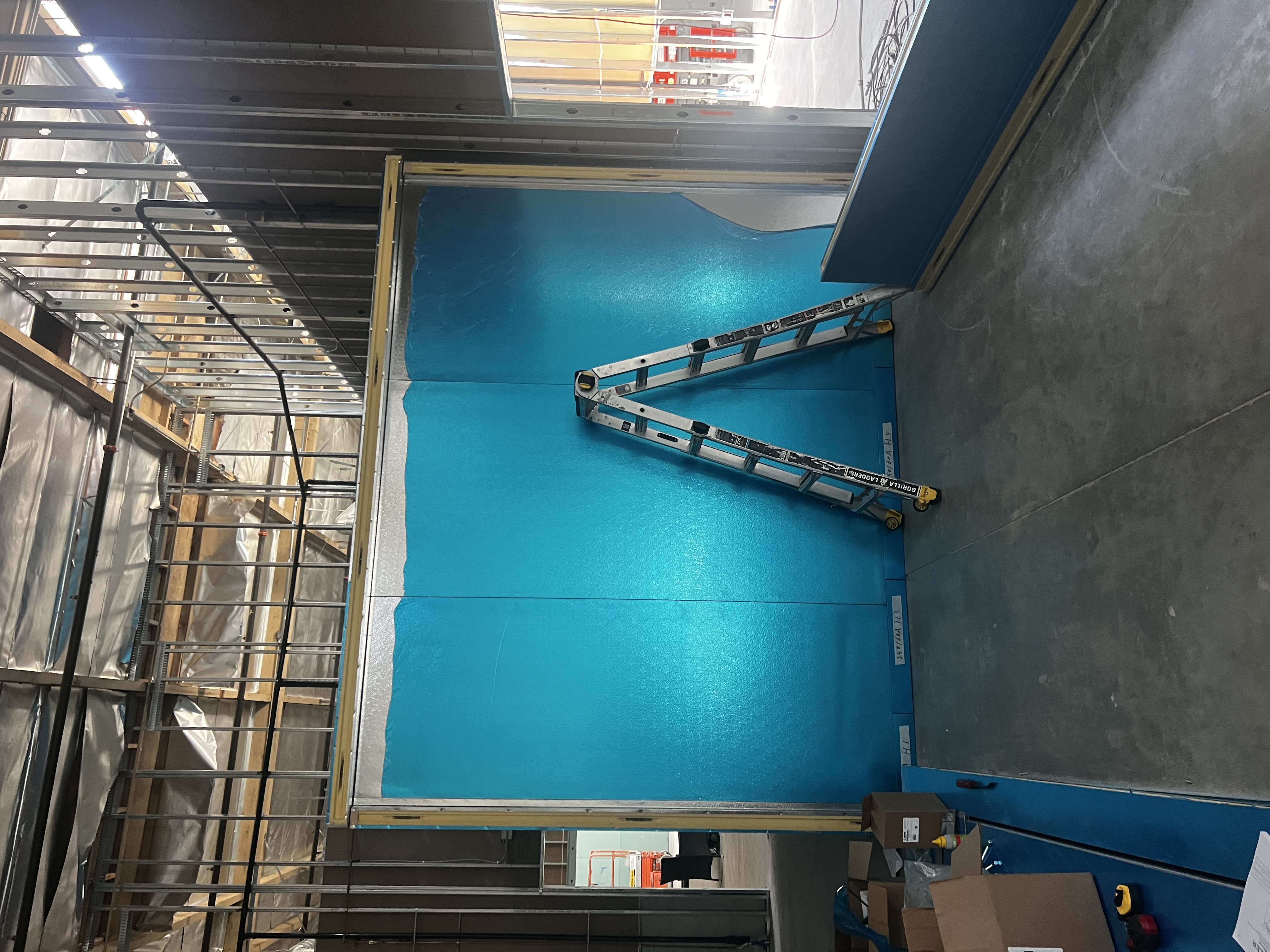
Blast Chillers and Blast Freezers
The Secret Weapon of High-Volume Kitchens
Comprehensive Blast Chillers and Blast Freezers Solutions
A blast chiller is a high-powered refrigeration unit designed to bring food from cooking temperature (160°F+) down to safe storage temperature (below 40°F) in 90 minutes or less. This rapid cooling prevents bacterial growth and preserves texture, moisture, and flavor in ways that a standard walk-in cooler simply cannot match.
The High Stakes of Blast Chiller Failure
Food Safety Violations
If you can't cool food fast enough, you violate the FDA's 'Time-Temperature Control for Safety' (TCS) rules, putting your license and your customers at risk.
Massive Food Waste
Without a blast chiller, you can't safely prep large batches in advance. This forces you to cook smaller quantities more frequently, wasting labor and increasing food costs.
Quality Degradation
Slow cooling causes moisture loss, texture breakdown, and flavor degradation. Your signature dishes lose their edge.
Operational Bottlenecks
A broken blast chiller forces your team to wait hours for food to cool in a walk-in, creating a prep bottleneck that cascades through your entire operation.
⚠️ The Cost of Inaction
"You call us when the unit is no longer reaching temperature or when the health inspector flags your cooling logs. By then, you've likely already lost product and violated food safety protocols."
✅ The Professional Choice
"As your Reliable Partner, we perform high-detail maintenance on these precision machines. We clean evaporator coils, check refrigerant levels, calibrate temperature sensors, and ensure door gaskets are airtight."
Why Choose Kitchen Services?
Digital Transparency
You'll receive digital reports with before and after photos of the evaporator coils and fan motors. We show you the 'hidden' grease and dust that was choking your machine's efficiency.
Respect for the Kitchen
We know that a technician standing in the middle of your prep area can be a distraction. Our 'Reliable Partner' promise means we work quietly and efficiently, respecting your team's rhythm.
Strategic Advice
If your unit is aging or undersized for your current volume, we'll give you a straight answer. We'll show you the ROI of a new, energy-efficient installation versus the rising costs of patching an old system.
Need Emergency Service?
Our technicians are on call to minimize downtime and save your inventory.
Call us anytime
(323) 310-2010
Digital Transparency
We provide detailed photo reports with every service call. You see exactly what we fixed.