
Commercial Kitchen Hood Installation: A Comprehensive Guide for Los Angeles Businesses

Installing a commercial kitchen hood is a significant investment for any restaurant or food service business in Los Angeles. This guide provides a comprehensive overview of the process, from initial planning and code compliance to installation best practices and maintenance tips, ensuring your kitchen is safe, efficient, and up to code.
Understanding the Importance of a Properly Installed Kitchen Hood
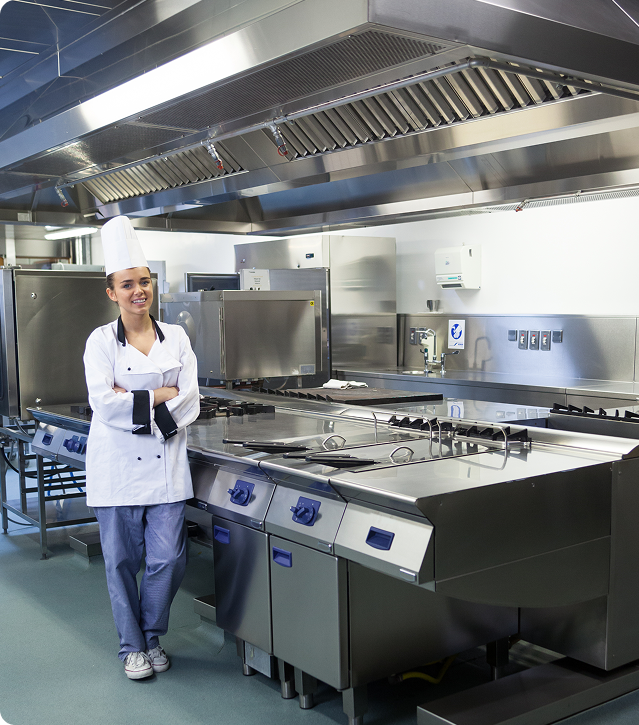
A commercial kitchen hood, also known as a kitchen exhaust system, is a critical component for maintaining a safe and healthy work environment. It's responsible for removing smoke, grease, heat, and odors produced during cooking, preventing these contaminants from accumulating and potentially causing health problems or fire hazards. In Los Angeles, where stringent regulations govern commercial kitchens, a properly installed and maintained hood is essential for compliance.
Beyond safety, a well-functioning hood system contributes to the overall efficiency of your kitchen. By effectively removing heat and moisture, it helps maintain a comfortable temperature, reducing strain on your AC repair systems and improving employee productivity. Moreover, it minimizes the buildup of grease, simplifying cleaning and reducing the risk of pest infestations.
Key Considerations Before Installation
Before embarking on a kitchen hood installation project, careful planning is paramount. This involves assessing your kitchen's specific needs, understanding local regulations, and selecting the right type of hood system.
Assessing Your Kitchen's Needs: Consider the type and volume of cooking you do. High-volume frying, for example, generates more grease and smoke than baking, requiring a more powerful exhaust system. The size of your cooking equipment and the layout of your kitchen will also influence the size and placement of the hood.
Understanding Local Regulations: Los Angeles County has specific codes and regulations governing commercial kitchen ventilation. These regulations cover everything from hood design and installation to fire suppression systems and regular maintenance. Failure to comply can result in fines and operational delays. It is necessary to properly research all aspects of compliance related to commercial cooking facilities.
Types of Commercial Kitchen Hoods
Commercial kitchen hoods come in various designs, each suited for specific applications. The most common types include:
Type I Hoods: Designed for removing grease and smoke, typically used over cooking equipment that produces grease-laden vapors, such as fryers, grills, and ranges. These hoods require a grease filter and a fire suppression system.
Type II Hoods: Used for removing heat and steam from appliances like dishwashers and ovens. These hoods do not typically require grease filters or fire suppression systems but are important to the air quality of the space.
Condensate Hoods: Used over appliances that produce a lot of condensation. These hoods are designed to capture and drain the condensation, preventing it from dripping onto the floor or other equipment. These hoods are important to the safety of the equipment and the people who will be using them.
Choosing the right type of hood is crucial for ensuring effective ventilation and compliance with local codes. Consult with a qualified HVAC contractor to determine the best option for your kitchen.
The Installation Process: A Step-by-Step Overview
Installing a commercial kitchen hood is a complex process that should only be performed by licensed and experienced professionals. The installation typically involves the following steps:
- Planning and Design: A thorough assessment of your kitchen's layout and ventilation needs is conducted to determine the optimal hood size, placement, and ductwork design.
- Permitting: Obtaining the necessary permits from local authorities is crucial before starting any installation work. This ensures that the installation complies with all applicable codes and regulations.
- Ductwork Installation: Ductwork is installed to connect the hood to the exhaust fan and vent the air outside. Proper ductwork design is essential for efficient airflow and preventing backdrafts.
- Hood Mounting: The hood is securely mounted to the wall or ceiling, ensuring proper alignment and stability.
- Exhaust Fan Installation: The exhaust fan is installed on the roof or exterior wall to draw air through the hood and ductwork.
- Electrical Connections: Electrical connections are made to power the exhaust fan and any lighting or other features of the hood.
- Fire Suppression System Installation: A fire suppression system is installed to automatically extinguish fires that may occur in the hood or ductwork. This is a critical safety component for Type I hoods.
- Testing and Commissioning: The entire system is tested to ensure that it is functioning properly and meeting all performance requirements. This includes verifying airflow rates, checking for leaks, and testing the fire suppression system.
Kitchen Services is fully licensed and experienced to assist you with your upcoming installation. We can manage the entire process for you!
Expert Hood Installation, LA's Best!
Ensure code compliance and peak kitchen performance. Schedule a free quote today and save!
Get Free QuoteChoosing the Right HVAC Contractor: What to Look For
Selecting a qualified HVAC contractor is essential for a successful kitchen hood installation. Look for a contractor with the following qualifications:
Licensing and Insurance: Ensure that the contractor is properly licensed and insured to perform commercial kitchen ventilation work in Los Angeles. This protects you from liability in case of accidents or damages.
Experience: Choose a contractor with a proven track record of successful kitchen hood installations. Ask for references and review their past projects.
Expertise: The contractor should have a thorough understanding of local codes and regulations related to commercial kitchen ventilation.
Reputation: Check online reviews and ask for referrals from other restaurant owners or contractors.
Service and Support: Ensure that the contractor offers ongoing maintenance and support services to keep your hood system running smoothly.
Kitchen Services has over 15 years of experience and is ready to help you today!
Grease Filters: Maintaining a Safe Kitchen
Grease filters are a vital part of any commercial kitchen hood, trapping grease particles and preventing them from entering the ductwork. Regular cleaning and maintenance of these filters are crucial for preventing fires and maintaining optimal ventilation. The frequency of cleaning depends on the volume and type of cooking, but generally, filters should be cleaned at least once a week, or more often if needed.
There are several types of grease filters available, including mesh filters, baffle filters, and charcoal filters. Mesh filters are the most common and are relatively inexpensive, while baffle filters are more efficient at trapping grease but are also more expensive. Charcoal filters are used to remove odors and are typically used in conjunction with other types of filters. Making sure to regularly service this piece of equipment can minimize long term costs.
Pros and Cons
Commercial kitchen hood installations present both advantages and disadvantages. Weighing these carefully is crucial for making informed decisions aligned with your business needs and budget.
Pros
- +
Improved Air Quality: Removes smoke, grease, and odors, creating a healthier and more comfortable work environment.
- +
Enhanced Safety: Reduces the risk of fire hazards by preventing grease buildup in ductwork.
- +
Compliance with Regulations: Ensures compliance with local codes and regulations, avoiding fines and operational delays.
- +
Increased Efficiency: Maintains a comfortable temperature, reducing strain on air conditioning systems and improving employee productivity.
- +
Pest Control: Minimizes grease buildup, reducing the risk of pest infestations.
- +
Extends equipment Lifespan: Reduces the amount of contaminants in the workspace.
Cons
- -
High Initial Cost: Installation can be a significant investment, especially for complex systems.
- -
Ongoing Maintenance: Requires regular cleaning and maintenance to ensure optimal performance.
- -
Space Requirements: Hoods and ductwork can take up valuable space in your kitchen.
- -
Noise Levels: Exhaust fans can generate noise, which may be a concern in some environments.
- -
Energy Consumption: Exhaust fans consume energy, adding to your operating costs.
Cost Considerations and Budgeting
The cost of a commercial kitchen hood installation can vary widely depending on several factors, including the size and type of hood, the complexity of the ductwork, and the labor costs in your area. It's essential to obtain multiple quotes from qualified contractors and carefully review the scope of work included in each quote. Be sure to factor in the cost of permits, materials, and ongoing maintenance when budgeting for your project.
Maintaining Your Kitchen Hood System for Longevity
Regular maintenance is crucial for ensuring the longevity and optimal performance of your commercial kitchen hood system. This includes:
Grease Filter Cleaning: Clean grease filters regularly, at least once a week, or more often if needed.
Ductwork Cleaning: Have your ductwork professionally cleaned every 6-12 months to remove grease buildup.
Exhaust Fan Maintenance: Inspect and maintain the exhaust fan regularly, including lubricating moving parts and checking for any signs of wear or damage.
Fire Suppression System Inspection: Have your fire suppression system inspected and serviced by a qualified technician every 6 months.
Visual Inspections: Conduct regular visual inspections of the entire system to identify any potential problems, such as leaks, loose connections, or damaged components.
Proper maintenance not only extends the life of your equipment but also helps prevent costly repairs and downtime. Consider a service agreement with a reputable HVAC contractor for ongoing maintenance and support.
Frequently Asked Questions
Q.How often should I clean the grease filters in my commercial kitchen hood?
Q.What are the signs that my kitchen hood system needs professional maintenance?
Q.How much does it cost to install a commercial kitchen hood in Los Angeles?
Q.Do I need a permit to install a commercial kitchen hood in Los Angeles?
Q.What type of fire suppression system is required for a commercial kitchen hood?
Q.Can I install a kitchen hood myself?
Q.What is the difference between a Type I and Type II kitchen hood?
Need Professional Help?
Get a free quote for your commercial kitchen ventilation or HVAC needs.
Get A Quote NowRecent Articles
Walk-In Cooler Installation: Efficiency & Cost Guide for SoCal Restaurants
February 10, 2026Is Your Restaurant a Fire Hazard? Why Yearly Hood Cleaning is Crucial in Southern California
February 6, 2026
Commercial Kitchen Exhaust Systems: Your Comprehensive Guide to Safety, Efficiency, and Compliance in Los Angeles
January 19, 2026