
Commercial Kitchen Hood Installation Checklist: A Comprehensive Guide
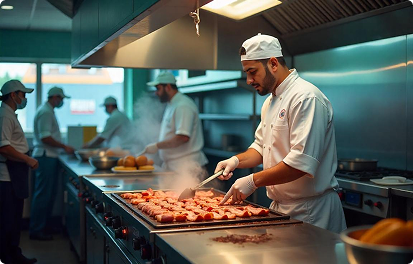
Installing a commercial kitchen hood is a complex process that requires careful planning and execution. This comprehensive checklist will guide you through each step, ensuring your new system meets all safety and performance standards in Los Angeles.
Planning and Preparation
Review local building codes and regulations related to kitchen ventilation systems in Los Angeles.
Determine the specific ventilation requirements based on the cooking equipment and menu.
Obtain necessary permits for hood installation from the relevant authorities.
Select a qualified and licensed HVAC contractor with experience in commercial kitchen ventilation like Kitchen Services.
Develop a detailed project timeline and budget.
Confirm utility connections (gas, electric) are adequate and properly located.
Ensure sufficient access for installation and future maintenance.
Equipment Selection and Procurement
Choose a hood size and type that meets the specific needs of the cooking equipment.
Select appropriate exhaust fan based on the required airflow and static pressure.
Specify the correct type and size of ductwork for optimal ventilation performance.
Select grease filters that comply with local fire safety standards (UL 1046).
Order a fire suppression system that is compatible with the hood and cooking equipment.
Ensure all equipment is certified and meets industry standards (e.g., UL, ETL).
Confirm equipment delivery dates and storage arrangements.
Pre-Installation Inspection
Verify all equipment received matches the specifications and order details.
Inspect the hood for any damage during shipping or handling.
Check the exhaust fan for proper operation and motor integrity.
Ensure ductwork is clean and free of debris.
Confirm the fire suppression system is complete and ready for installation.
Verify that all necessary mounting hardware and accessories are present.
Check electrical components and wiring for any defects.
Installation Process
Install the hood according to the manufacturer's instructions and local building codes.
Properly support the hood to ensure structural integrity and prevent sagging.
Connect the ductwork to the hood and exhaust fan, ensuring airtight seals.
Install the exhaust fan in a location that provides adequate airflow and minimizes noise.
Connect the electrical wiring to the exhaust fan and fire suppression system.
Install grease filters and ensure they are properly seated.
Install the fire suppression system and connect it to the fuel shut-off valve.
Verify proper operation of all components before final inspection.
System Testing and Commissioning
Test the exhaust fan to ensure it is providing the required airflow.
Measure the static pressure in the ductwork to verify proper ventilation performance.
Test the fire suppression system to ensure it activates properly in the event of a fire.
Inspect the grease filters for proper installation and fit.
Verify that the fuel shut-off valve is functioning correctly.
Check all electrical connections for proper voltage and grounding.
Adjust the system as needed to optimize performance and efficiency.
Document all test results and commissioning data.
LA Hood Installation: Get Your Checklist!
Avoid costly delays and ensure code compliance with our free checklist. Request yours today!
Download Free ChecklistFinal Inspection and Approval
Schedule a final inspection with the local building department.
Address any deficiencies identified during the inspection.
Obtain final approval and certificate of occupancy.
Provide training to kitchen staff on the proper operation and maintenance of the hood system.
Provide documentation, including as-built drawings, equipment manuals, and warranty information.
Pros and Cons
Pros
- +
Improved Air Quality: Removes smoke, grease, and odors from the kitchen, creating a healthier and more comfortable working environment.
- +
Enhanced Fire Safety: Fire suppression systems protect against kitchen fires.
- +
Compliance with Regulations: Ensures compliance with local building codes and safety standards.
- +
Increased Employee Productivity: A clean and well-ventilated kitchen improves employee morale and productivity.
- +
Protection of Equipment: Reduces grease buildup on other equipment, extending their lifespan.
- +
Potential Insurance Benefits: May lower insurance premiums due to improved fire safety.
Cons
- -
High Initial Cost: Installation can be expensive, especially for complex systems.
- -
Ongoing Maintenance: Regular cleaning and maintenance are required to ensure optimal performance and compliance.
- -
Potential for Noise: Exhaust fans can generate noise, which may require soundproofing measures.
- -
Space Requirements: Hoods and ductwork require significant space.
Ongoing Maintenance Checklist
Clean grease filters regularly (weekly or monthly) to prevent grease buildup.
Schedule professional hood cleaning at least every 3-6 months, depending on usage.
Inspect the exhaust fan and ductwork for any damage or leaks.
Verify the fire suppression system is in good working order and schedule regular inspections.
Check electrical connections for tightness and corrosion.
Keep records of all maintenance activities.
Frequently Asked Questions
Q.How often should I clean my commercial kitchen exhaust hood in Los Angeles?
Q.What permits do I need to install a commercial kitchen hood in Los Angeles?
Q.What are the fire safety requirements for commercial kitchen hoods in Los Angeles?
Q.How do I choose the right size exhaust hood for my commercial kitchen?
Q.What type of grease filters are required for a commercial kitchen hood?
Q.Can I install a commercial kitchen hood myself, or do I need a professional?
Q.What are the consequences of not properly maintaining my commercial kitchen hood system?
Need Professional Help?
Get a free quote for your commercial kitchen ventilation or HVAC needs.
Get A Quote NowRecent Articles
Walk-In Cooler Installation: Efficiency & Cost Guide for SoCal Restaurants
February 10, 2026Is Your Restaurant a Fire Hazard? Why Yearly Hood Cleaning is Crucial in Southern California
February 6, 2026
Commercial Kitchen Exhaust Systems: Your Comprehensive Guide to Safety, Efficiency, and Compliance in Los Angeles
January 19, 2026