Essential Guide to Kitchen Hood Installation: Ensuring Optimal HVAC and Ventilation Systems

Installing a kitchen hood is crucial for maintaining a safe and efficient commercial kitchen environment. This comprehensive guide covers everything from selecting the right hood to the installation process, ensuring your kitchen meets industry standards.
Understanding Kitchen Hoods
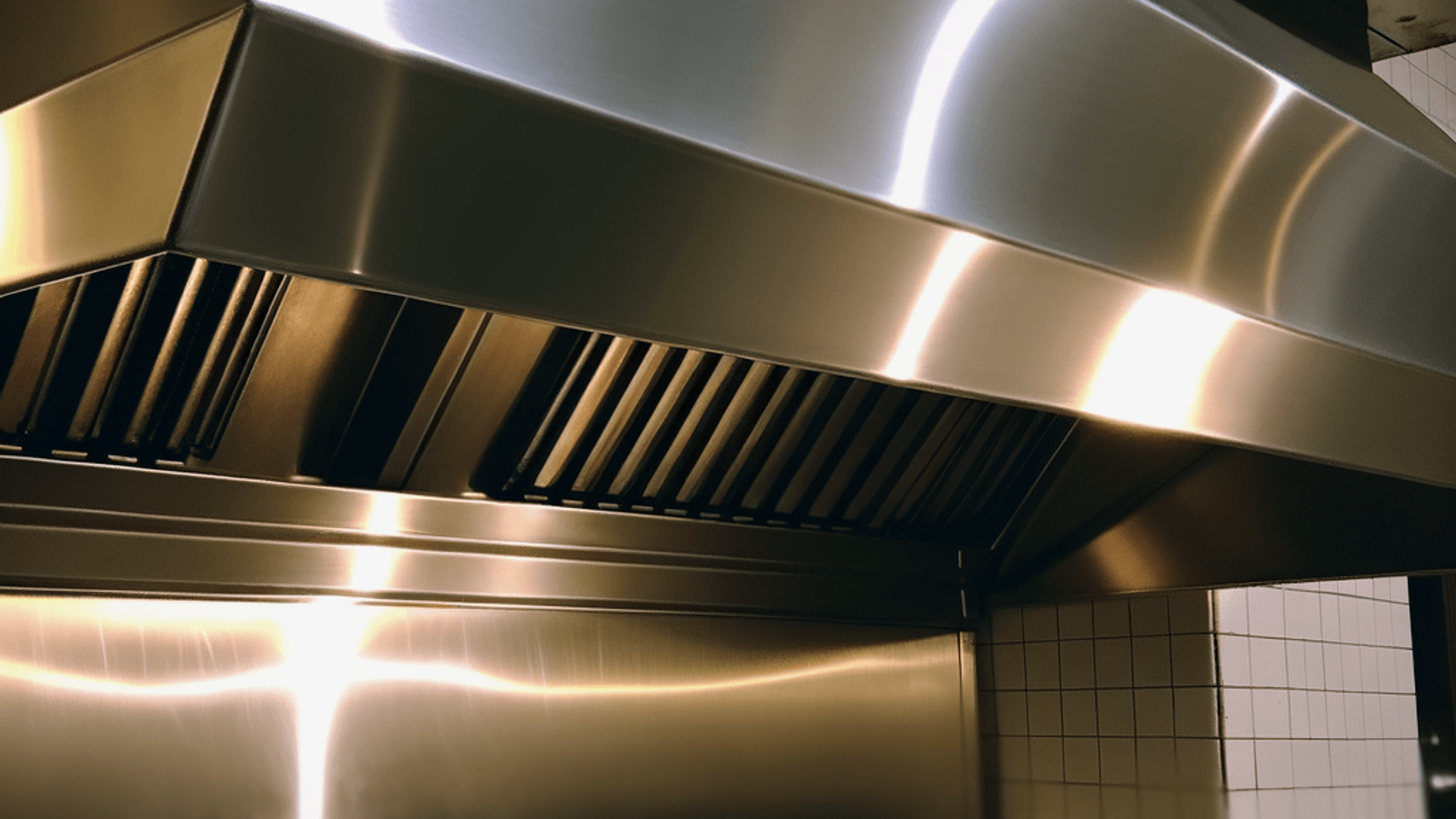
Kitchen hoods, also known as exhaust hoods or range hoods, are essential components of commercial kitchen ventilation systems. They help to remove smoke, heat, grease, and odors from the kitchen, ensuring a safe and comfortable working environment for staff. By understanding the various types of kitchen hoods and their functionalities, restaurant owners can make informed decisions that enhance their kitchen operations.
There are several types of kitchen hoods, including wall-mounted, island, and under-cabinet hoods. Each type has its unique features and is suitable for different kitchen layouts and cooking methods. For example, wall-mounted hoods are ideal for kitchens with a wall behind the cooking range, while island hoods are designed for open kitchen spaces where the cooking area is situated in the center.
Importance of Proper Kitchen Hood Installation
Proper installation of kitchen hoods is vital for effective ventilation and safety. A well-installed hood not only improves air quality but also reduces the risk of fire hazards by minimizing grease buildup. Moreover, compliance with local health and safety regulations is crucial for any commercial kitchen. Failure to adhere to these regulations can lead to severe penalties and operational disruptions.
In Los Angeles, where the culinary scene is vibrant and competitive, maintaining a high standard of kitchen operations is essential. A properly installed kitchen hood contributes to the overall efficiency of the HVAC system, ensuring that the kitchen remains cool and comfortable even during peak hours.
Key Features to Consider When Choosing a Kitchen Hood
Selecting the right kitchen hood involves considering several key features that cater to your specific kitchen needs. Here are some important factors to keep in mind:
1. **Size**: The size of the hood should match the size of your cooking equipment. Generally, the hood should extend at least 6 inches beyond the cooking surface on all sides.
2. **Type of Ventilation**: Hoods can be either vented or non-vented. Vented hoods expel air outside, while non-vented hoods recirculate air within the kitchen. Your choice will depend on your kitchen layout and local regulations.
3. **CFM Rating**: The CFM (Cubic Feet per Minute) rating indicates the hood's airflow capacity. A higher CFM is necessary for kitchens with heavy cooking loads.
4. **Noise Levels**: Consider the noise level of the hood, especially in open kitchen designs. Some models offer quieter operation without sacrificing performance.
- Size
- Type of Ventilation
- CFM Rating
- Noise Levels
Steps for Kitchen Hood Installation
Installing a kitchen hood requires careful planning and execution to ensure it functions effectively. Here are the general steps involved in the installation process:
1. **Preparation**: Before installation, assess the kitchen layout and determine the best location for the hood. Ensure that all necessary tools and materials are on hand.
2. **Mounting the Hood**: Securely mount the hood according to the manufacturer's instructions, ensuring it is at the correct height above the cooking surface.
3. **Ductwork Installation**: If using a vented hood, install the ductwork to connect the hood to the external vent. Proper sealing of the ducts is crucial to prevent leaks.
4. **Electrical Connections**: Connect the hood to the electrical supply, ensuring all wiring is done according to code. If the hood has lights or a fan, check that they function properly.
5. **Final Checks**: After installation, conduct a thorough inspection to ensure everything is securely installed and functioning correctly.
Maintenance Tips for Kitchen Hoods
Regular maintenance of kitchen hoods is essential to ensure their longevity and performance. Here are some maintenance tips to keep your kitchen hood in optimal condition:
1. **Regular Cleaning**: Clean the filters and exterior surfaces regularly to prevent grease buildup. Depending on usage, this may need to be done weekly or monthly.
2. **Check for Obstructions**: Periodically inspect the ductwork for any obstructions or blockages that could impede airflow.
3. **Professional Inspections**: Schedule regular inspections by a qualified HVAC technician to ensure that the system is functioning correctly and efficiently.
- Regular Cleaning
- Check for Obstructions
- Professional Inspections
Common Challenges in Kitchen Hood Installation
While installing a kitchen hood may seem straightforward, several challenges can arise during the process. Understanding these challenges can help you prepare and address them effectively.
One common issue is ensuring that the ductwork is properly aligned and sealed. Poorly installed ducts can lead to leaks, reducing the efficiency of the ventilation system. Additionally, finding the right location for the hood can be challenging, especially in kitchens with limited space or unique layouts.
Another challenge is adhering to local building codes and health regulations. It’s essential to consult with local authorities or hire a licensed contractor to ensure compliance.
Conclusion
In conclusion, kitchen hood installation is a fundamental aspect of maintaining a safe and efficient commercial kitchen environment. By understanding the importance of proper installation, selecting the right features, and following best practices for installation and maintenance, restaurant owners can ensure their kitchens operate smoothly.
Investing in a quality kitchen hood not only enhances air quality but also contributes to the overall success of your culinary operations. If you're in Los Angeles and need assistance with kitchen hood installation or HVAC services, Kitchen Services is here to help with over 15 years of experience in the industry.
Need Professional Help?
Get a free quote for your commercial kitchen ventilation or HVAC needs.
Get A Quote Now