The Importance of Hood Cleanings for Commercial Kitchen Ventilation Systems
Regular hood cleanings are crucial for maintaining the efficiency and safety of commercial kitchen ventilation systems. Discover best practices, benefits, and essential tips for keeping your kitchen exhaust system in top shape.
Understanding Hood Cleanings
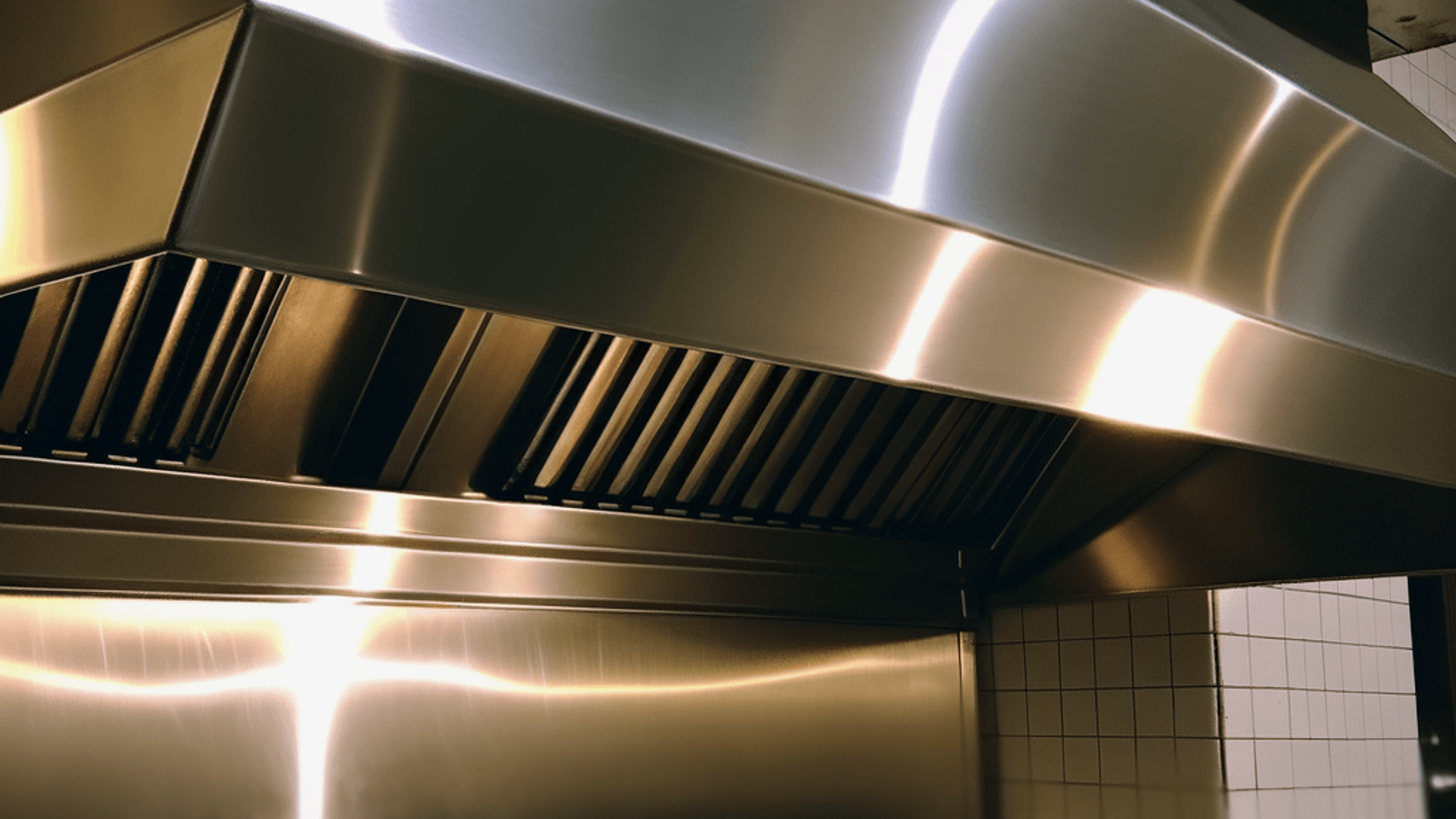
Hood cleanings are an essential part of maintaining a safe and efficient commercial kitchen. The kitchen hood plays a critical role in removing smoke, heat, and grease from the cooking area, ensuring a clean and safe environment for food preparation.
Over time, grease and other contaminants can build up in the hood and ductwork, leading to decreased efficiency, unpleasant odors, and even fire hazards. Regular cleanings help mitigate these risks and keep your kitchen running smoothly.
Why Regular Hood Cleanings Matter
Regular hood cleanings are not just a matter of cleanliness; they are vital for safety and compliance with health regulations. In Los Angeles, where the restaurant industry is competitive, maintaining high standards can set your establishment apart.
Failure to keep your hood and ventilation system clean can lead to significant issues, including increased fire risk, poor indoor air quality, and costly repairs. Moreover, local health departments may impose fines or shut down operations if kitchens do not adhere to cleanliness standards.
Key Benefits of Hood Cleanings
Investing in regular hood cleanings offers numerous benefits that contribute to the overall efficiency and safety of your kitchen. Here are some of the primary advantages:
1. **Fire Prevention**: Grease buildup in hoods can ignite, leading to dangerous fires. Regular cleanings significantly reduce this risk.
2. **Improved Air Quality**: Clean hoods help maintain better indoor air quality by effectively removing smoke and odors from the kitchen.
3. **Increased Efficiency**: A well-maintained ventilation system operates more efficiently, helping to reduce energy costs.
4. **Compliance with Regulations**: Regular cleanings ensure your kitchen meets health and safety regulations, avoiding fines and shutdowns.
How Often Should You Schedule Hood Cleanings?
The frequency of hood cleanings depends on several factors, including the volume of cooking, the type of food being prepared, and local regulations. Generally, here are some guidelines:
1. **Light Cooking**: If your kitchen primarily prepares lighter fare, cleanings can be done every 6 months.
2. **Moderate Cooking**: For kitchens with moderate cooking volumes, quarterly cleanings are recommended.
3. **Heavy Cooking**: High-volume operations, such as those in restaurants or hotels, should schedule cleanings every month.
4. **Special Events**: If you anticipate an increase in cooking volume due to events or holidays, consider a cleaning before and after.
The Hood Cleaning Process
Understanding the hood cleaning process can help you appreciate the work involved and the importance of hiring professionals. Here’s a brief overview of what to expect during a typical cleaning:
1. **Assessment**: A technician will assess the condition of the hood and ductwork to determine the extent of the cleaning required.
2. **Preparation**: The area will be prepared by covering surfaces and shutting down equipment to ensure safety during the cleaning process.
3. **Cleaning**: Using specialized tools and degreasers, technicians will clean the hood, ductwork, and exhaust fans to remove grease and contaminants.
4. **Inspection**: After cleaning, the technician will conduct a thorough inspection to ensure everything is in proper working order.
5. **Documentation**: A report will be provided, detailing the work performed and any recommendations for future maintenance.
Choosing a Professional Hood Cleaning Service
Selecting the right professional service for hood cleanings is crucial for ensuring quality and compliance. Here are some tips to help you choose a reliable contractor:
1. **Experience**: Look for a company with extensive experience in commercial kitchen cleaning, particularly with hood and ventilation systems.
2. **Certifications**: Ensure the service provider is certified and follows industry standards for cleaning and safety.
3. **References**: Ask for references or read reviews to gauge the company's reputation and quality of work.
4. **Comprehensive Services**: Choose a contractor that offers a full range of services, including inspections and maintenance, to ensure your system remains in top condition.
Maintaining Your Hood Between Cleanings
While professional cleanings are essential, there are steps you can take to maintain your hood and ventilation system between scheduled cleanings. Consider these practical tips:
1. **Regular Inspections**: Conduct routine checks for grease buildup and any signs of wear or damage to the hood and ductwork.
2. **Daily Cleaning**: Encourage kitchen staff to wipe down the hood and filters daily to prevent grease accumulation.
3. **Proper Use**: Ensure that kitchen equipment is used correctly to minimize smoke and grease production, which will help keep the hood cleaner for longer.
4. **Filter Maintenance**: Regularly clean or replace filters as needed to maintain airflow and efficiency.
Conclusion
In conclusion, regular hood cleanings are a fundamental aspect of operating a safe and efficient commercial kitchen. They not only help prevent fires and ensure compliance with health regulations but also enhance the overall air quality and efficiency of your kitchen ventilation system.
By investing in professional cleaning services and maintaining your hood between cleanings, you can protect your kitchen, ensure a safe working environment, and ultimately contribute to the success of your culinary business.
Need Professional Help?
Get a free quote for your commercial kitchen ventilation or HVAC needs.
Get A Quote Now