Essential Insights into Walk-In Coolers for Commercial Kitchens
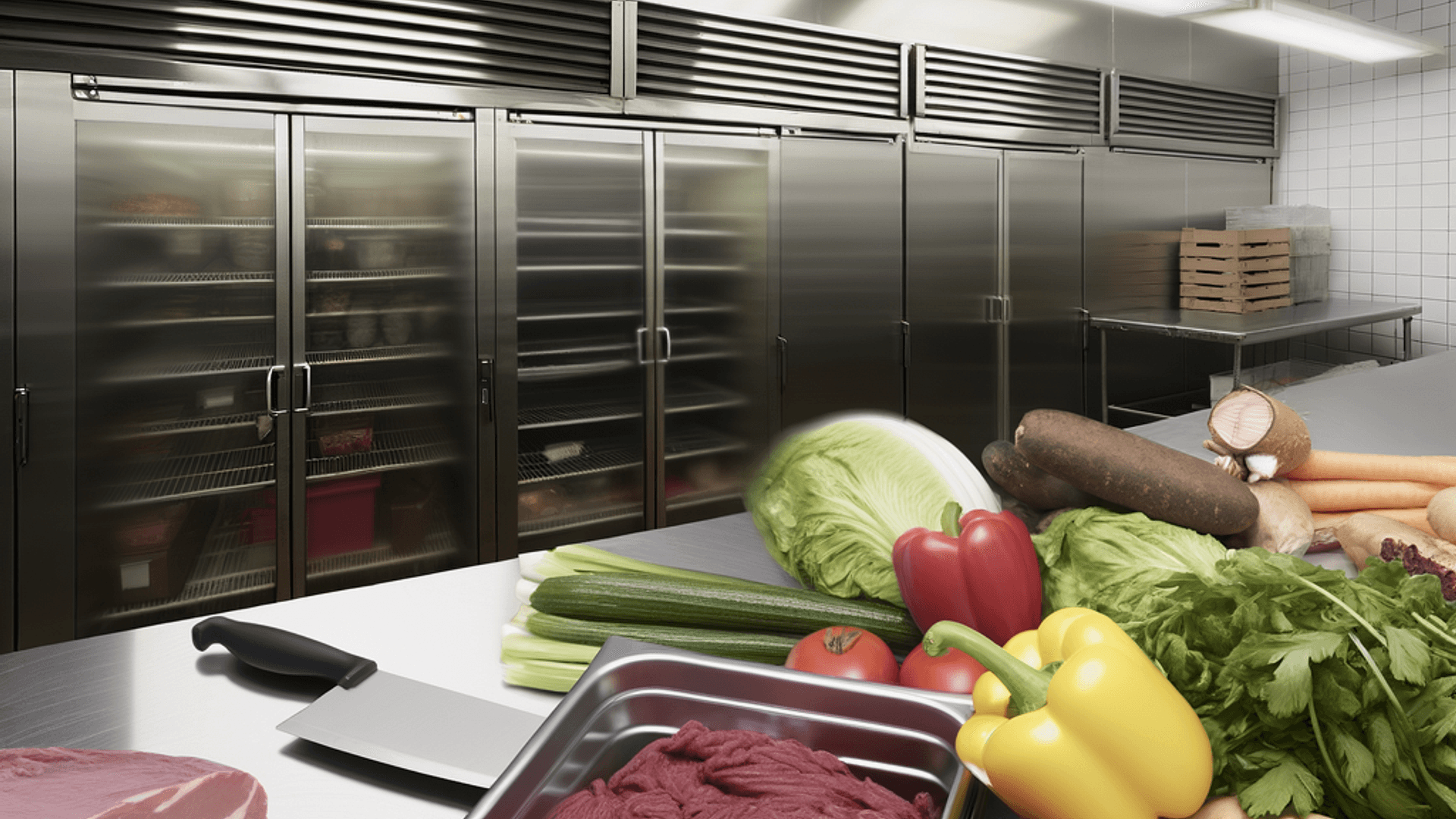
Walk-in coolers are vital for maintaining the freshness of food in commercial kitchens. This blog explores their importance, functionality, and maintenance, ensuring your kitchen operates efficiently.
What is a Walk-In Cooler?
A walk-in cooler is a large refrigeration unit designed for commercial use, typically found in restaurants, hotels, and food storage facilities. These coolers allow staff to walk inside to access food items, making it easier to store and organize large quantities of perishable goods.
Equipped with advanced refrigeration technology, walk-in coolers maintain a consistent temperature to preserve food quality. They are essential for any establishment that requires reliable and efficient food storage.
Key Features of Walk-In Coolers
Walk-in coolers come with several features that enhance their efficiency and usability. Here are some key features to consider:
1. **Temperature Control**: Most walk-in coolers offer adjustable temperature settings, allowing for optimal storage conditions based on the type of food being stored.
2. **Energy Efficiency**: Modern walk-in coolers are designed to consume less energy while maintaining performance, which can lead to significant savings on utility bills.
3. **Durable Construction**: Built with sturdy materials, walk-in coolers are designed to withstand heavy usage and provide long-lasting service.
4. **Customizable Sizes**: Available in various sizes, walk-in coolers can be tailored to fit the specific needs of any commercial kitchen.
5. **Easy Access**: Featuring wide doors and organized shelving, walk-in coolers allow for easy access to stored items, streamlining kitchen operations.
The Importance of Walk-In Coolers in Commercial Kitchens
Walk-in coolers play a crucial role in the smooth operation of commercial kitchens. They help maintain food safety standards, reduce waste, and enhance food quality. Here's why they are indispensable:
1. **Food Safety**: Keeping perishable items at the right temperature prevents bacterial growth and foodborne illnesses, ensuring compliance with health regulations.
2. **Inventory Management**: With ample space for storage, walk-in coolers facilitate better inventory management, allowing kitchen staff to keep track of stock levels.
3. **Operational Efficiency**: By providing easy access to ingredients, walk-in coolers streamline food preparation processes, ultimately improving service speed.
Types of Walk-In Coolers
There are various types of walk-in coolers designed to meet different needs in commercial kitchens. Understanding these types can help you choose the right one for your establishment:
1. **Reach-In Walk-In Coolers**: These are smaller units that can be accessed from the front, ideal for kitchens with limited space.
2. **Modular Walk-In Coolers**: These units are customizable and can be assembled to fit specific dimensions, making them suitable for larger operations.
3. **Refrigerated Walk-In Coolers**: Designed for perishable food items, these coolers maintain temperatures between 32°F to 40°F.
4. **Freezer Walk-Ins**: These are designed to store frozen goods at temperatures below 32°F, perfect for items that require freezing.
How to Maintain Your Walk-In Cooler
Regular maintenance of walk-in coolers is essential for ensuring longevity and efficiency. Here are some practical tips for maintaining your walk-in cooler:
1. **Check Door Seals**: Ensure that the door seals are intact to prevent air leaks, which can cause temperature fluctuations.
2. **Clean Condenser Coils**: Regularly clean the condenser coils to ensure proper airflow and efficient operation.
3. **Monitor Temperature**: Use a thermometer to regularly check the internal temperature and ensure it stays within safe limits.
4. **Inspect Drain Lines**: Ensure that drain lines are clear to prevent water buildup that can lead to mold and mildew.
- Check Door Seals
- Clean Condenser Coils
- Monitor Temperature
- Inspect Drain Lines
Common Issues and Troubleshooting
Even with regular maintenance, walk-in coolers may encounter issues over time. Here are some common problems and troubleshooting tips:
1. **Temperature Fluctuations**: If the temperature inside the cooler is inconsistent, check the thermostat settings and inspect the door seals for damage.
2. **Frost Build-Up**: Excessive frost can indicate a problem with the defrost cycle. Ensure the defrost timer is functioning correctly.
3. **Strange Noises**: Unusual sounds may point to a malfunctioning compressor or fan. It’s advisable to consult a technician for repairs.
Conclusion
Walk-in coolers are indispensable components of commercial kitchens, ensuring food safety, quality, and operational efficiency. By understanding their features, types, and maintenance needs, you can maximize the benefits they provide.
Investing in a quality walk-in cooler and maintaining it properly will not only enhance your kitchen operations but also contribute to the overall success of your business.
Need Professional Help?
Get a free quote for your commercial kitchen ventilation or HVAC needs.
Get A Quote Now